





Some voices are instantly recognizable not because they demand attention, but because they create an atmosphere around everything they touch. Lothika Jha is one of those voices. For millions of listeners, she became familiar through the dreamy sound of “Doobey” and the title track of Gehraiyaan, but her story stretches well beyond the songs that introduced her to mainstream audiences.
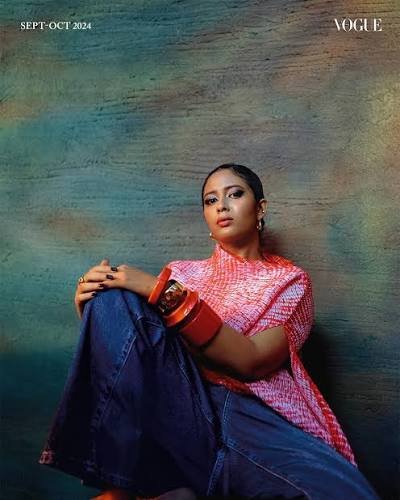
Lothika’s journey is rooted in India’s independent music scene, where experimentation, collaboration and an openness to different sounds have always been central to her identity. Her transition into Bollywood did not mean leaving that world behind. Instead, it gave her independent sensibility a much larger audience.
Her connection with Gehraiyaan itself is a perfect example. Before the film’s soundtrack became a major success, Lothika had already collaborated with producer-composer OAFF on “Frontline” in 2018. The song was later reimagined as the title track for Gehraiyaan, bringing together the sound of India’s independent music community with one of the country’s biggest film industries. Vogue India described the transformation as an adaptation of “Frontline” that eventually became the Gehraiyaan title track.
Then came “Doobey”.
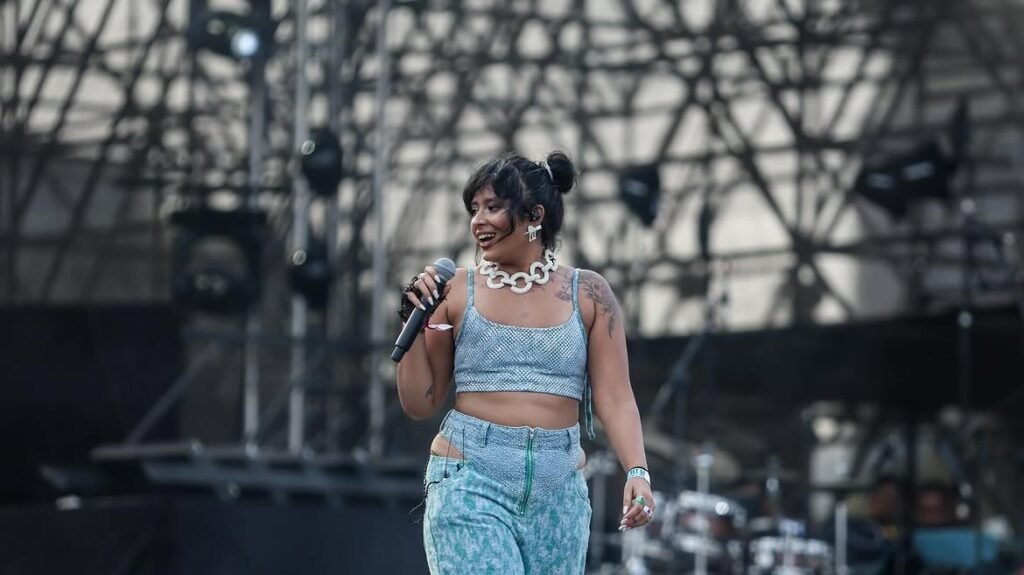
Released as part of the Gehraiyaan soundtrack in 2022, “Doobey” quickly became one of the songs most closely associated with Lothika’s voice. Its atmospheric production and intimate vocal delivery created a sound that felt different from conventional Bollywood playback music. Rather than overpowering the production, her voice became part of the atmosphere itself.
That quality has remained central to Lothika’s appeal.
Her musical influences are unusually broad. She has spoken about growing up around everything from Hindustani classical music and the work of Kishore Kumar, Asha Bhosle and R.D. Burman to The Beatles, Dire Straits and Def Leppard. Her teenage years in Ahmedabad also brought her closer to musicians and alternative genres including post-rock and punk rock.
Those influences help explain why Lothika’s music is difficult to place inside a single genre. Her sound can move towards cinematic ballads, R&B, electronica, alternative music and contemporary pop without feeling disconnected from her identity.
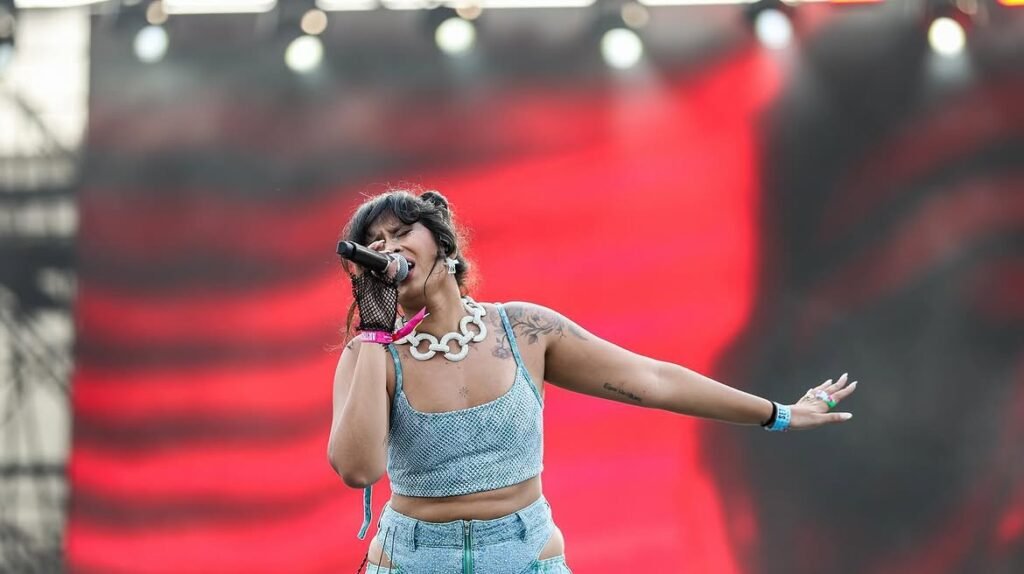
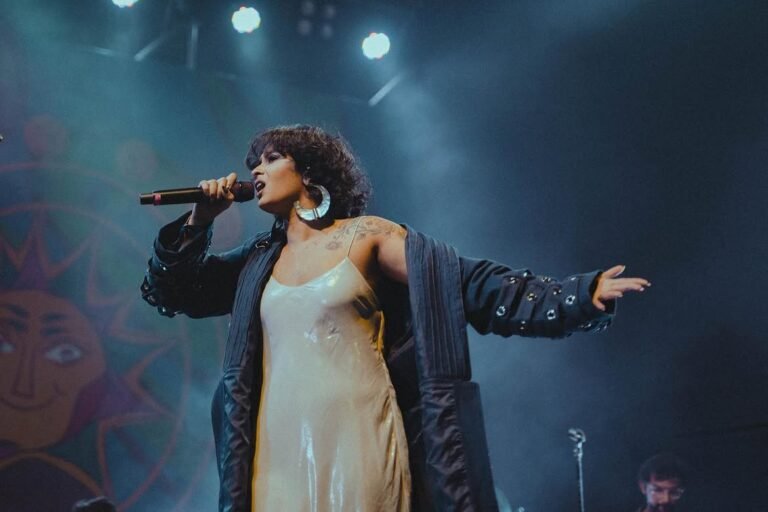
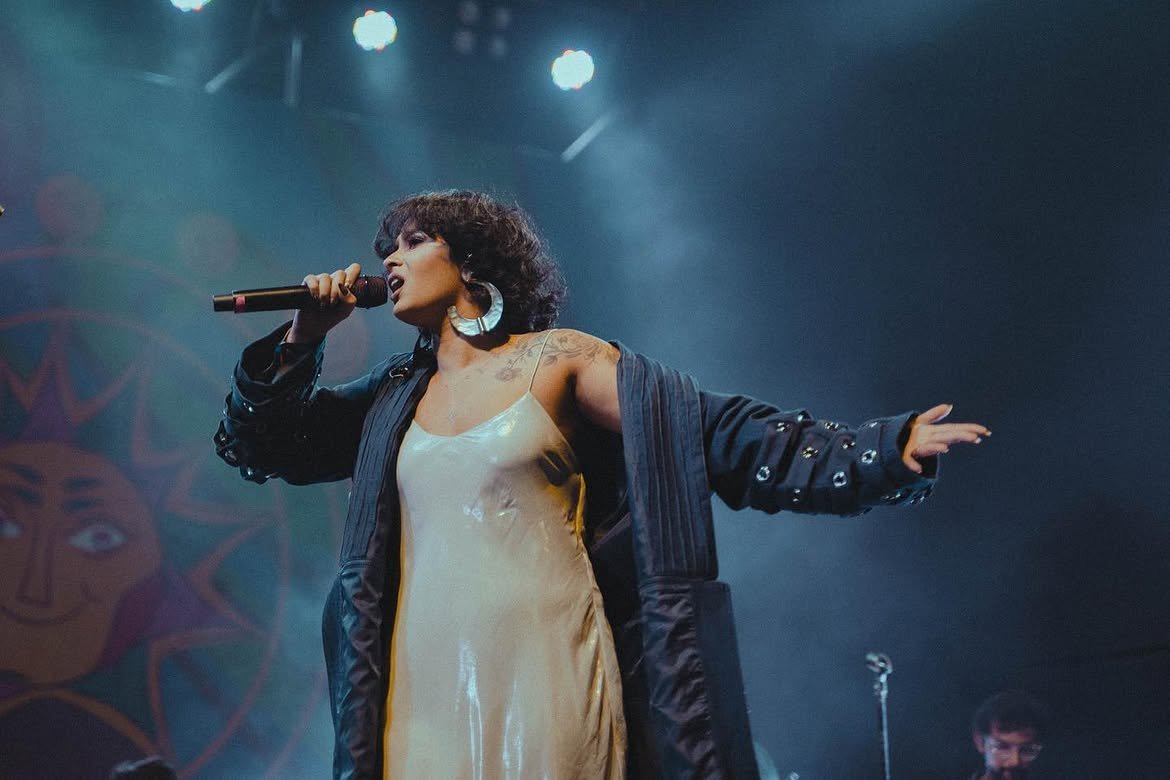
Her creative background extends beyond singing too. Before music became her primary path, Lothika explored filmmaking, photography and acting, while her love for hip-hop dance has influenced the way she approaches performance. On stage, she has developed a reputation for bringing an energetic and theatrical quality to her performances — something that adds another dimension to a voice many listeners first experienced through headphones.
After Gehraiyaan, her work continued to expand across Indian cinema. Her vocals have appeared on songs including “Hone Do Jo Hota Hai” from Kho Gaye Hum Kahan, “Anbenum” from Leo and the Hindi version of “Kissik” from Pushpa 2: The Rule. Her catalogue also includes collaborations with artists such as OAFF and Savera.
This range is perhaps the most interesting part of Lothika’s career. She has not been restricted to one language, one genre or one definition of what a playback singer should sound like. Instead, she has moved naturally between independent music and some of India’s biggest film soundtracks.
And that independent identity remains important.
In her conversations with music publications, Lothika has spoken about the value of bringing an indie sensibility into Bollywood while also recognizing the challenge of allowing both worlds to retain their own character. Her career is an example of how those two spaces can influence one another rather than exist separately.
There is also a sense that Lothika is still figuring out exactly where her sound can go. In her Platform interview, she described herself as being in the early stages of exploring her own sound, drawing from cinematic ballads, R&B and electronica while turning personal stories and experiences into music.
That makes her current chapter particularly interesting.
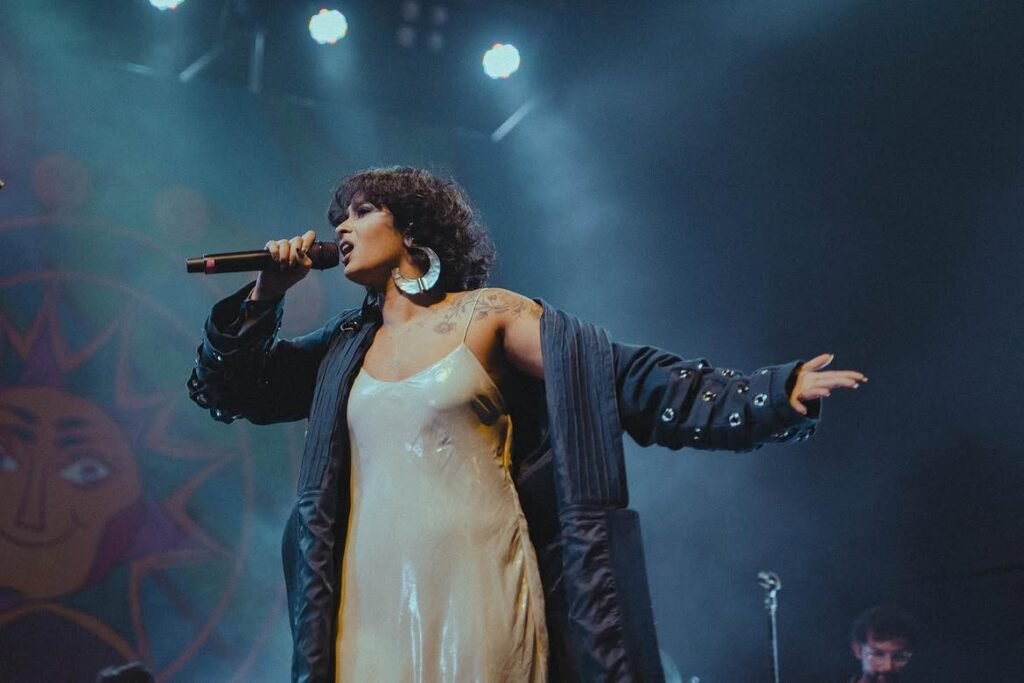
Lothika’s latest release, “Superstar,” arrived in June 2026, adding another independent release to a catalogue that has continued to grow since her breakthrough.
For listeners who discovered Lothika through “Doobey,” there is therefore much more to explore. Her story is not simply that of a singer who found success through a Bollywood soundtrack. It is the story of an artist whose independent roots, eclectic influences and willingness to experiment eventually found a much larger stage.
Perhaps that is why Lothika Jha continues to stand out.
Her voice can sit comfortably inside a massive film soundtrack, an intimate independent song or a live performance, yet it rarely feels as though she is trying to become someone else to fit the setting.
She carries the same curiosity into each musical world.
From “Frontline” to “Gehraiyaan”, “Doobey” and her work across Kho Gaye Hum Kahan, Leo and Pushpa 2, Lothika’s journey reflects the increasingly fluid relationship between India’s independent music culture and mainstream cinema.
And with new music continuing to add to that journey, the most interesting question about Lothika Jha may no longer be which soundtrack audiences will hear her on next.
It may simply be what she chooses to sound like next.